What to Do When Your Kentucky Garage Door Won’t Open
A stuck garage door throws off your day and compromises security. Use this Kentucky-focused guide to handle garage door emergencies safely while you wait for professional help in Louisville, Lexington, or Northern Kentucky.
Key Takeaways for Louisville, Lexington & NKY Homeowners
- Keep people and pets clear of the door and cut power before troubleshooting.
- Don’t force a frozen or off-track door—schedule emergency repair in your metro.
- Know your manual release steps and have local 24/7 numbers ready.
- Document damage for insurance and call sooner when safety is in doubt.
Immediate Safety Protocol
Step 1: Stop and Assess
Do NOT:
- Force the door open or closed
- Continue pressing the remote button repeatedly
- Attempt to manually override safety features
- Try to repair obvious damage yourself
DO:
- Turn off the garage door opener at the wall switch
- Ensure family members stay clear of the door area
- Take photos of any visible damage for insurance purposes
- Keep pets away from the garage area
Step 2: Visual Safety Check
Look for these dangerous conditions:
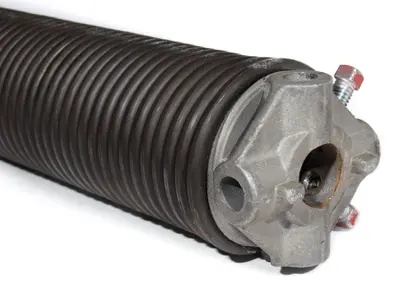
- Broken springs: Visible gaps in torsion spring coils above the door
- Hanging cables: Frayed or loose cables on either side
- Off-track door: Door sections not aligned in tracks
- Damaged panels: Bent, cracked, or separated door sections
If you see any of these conditions: Stop immediately and call for emergency service.
Emergency Troubleshooting Steps
Check Power and Remote Issues
Power Problems:
- Verify opener is plugged into working outlet
- Check circuit breaker—reset if tripped
- Look for GFCI outlet reset button in garage
- Test wall button instead of remote control
Remote Control Issues:
- Replace remote batteries with fresh ones
- Check antenna wire hanging from opener motor
- Try programming spare remote if available
- Use keypad entry if installed and functioning
Inspect for Obstructions
Track Obstructions:
- Remove any debris from door tracks
- Clear ice or snow buildup (common during Ohio Valley and Bluegrass winters)
- Check for small objects blocking door path
- Ensure nothing is stored too close to door operation area
Sensor Problems:
- Clean photo-eye sensors with soft, damp cloth
- Ensure sensors are aligned and facing each other
- Check for spider webs or dirt blocking sensor beam
- Verify sensor lights are solid (not blinking)
When Manual Operation Is Safe
Safety Assessment First
Only attempt manual operation if:
- Springs appear intact (no visible gaps or damage)
- Cables are properly attached and not frayed
- Door is properly seated in tracks
- You can see no obvious structural damage
Manual Release Procedure
Step-by-step process:
- Disconnect power: Turn off opener at wall switch
- Pull emergency release: Use red handle hanging from opener carriage
- Test door weight: Carefully lift door about 2 feet
- Check balance: Door should stay in place—if it falls, STOP immediately
- Full operation: If balanced, you can manually open/close as needed
⚠️ Important: A properly balanced door should be relatively easy to lift and stay in place when released. Heavy or falling doors indicate spring problems requiring immediate professional service.
Market-Specific Emergency Scenarios
Louisville Metro: Ohio River Weather & Neighborhood Density
Winter Weather Emergencies:
- Ice in tracks: Never force—use hair dryer on low heat to melt ice gradually
- Frozen to ground: Pour warm (not boiling) water along bottom seal
- Snow accumulation: Clear snow from door path and sensors after lake-effect bands or refreeze cycles
- Power outages: Know manual release procedure for winter storms that knock out Downtown and East End neighborhoods
Storm Damage Assessment:
- Hail damage: Check panels for dents that could affect operation
- Wind damage: Look for bent tracks or shifted door alignment after Ohio Valley wind events
- Flooding: Water damage to opener electronics requires professional evaluation, especially near the riverfront
- Power surge damage: Opener may need reprogramming or replacement following lightning storms
Security Concerns:
- Immediate security: Use manual operation if safe to close door
- Temporary solutions: Block access with a vehicle if door must remain open in high-traffic neighborhoods
- Property protection: Secure valuable items if garage must stay open overnight
- Family safety: Consider alternative entry/exit routes when door failure blocks alleyway access
Lexington Metro: Bluegrass Climate & Rural Estates
Severe Thunderstorm Prep:
- Straight-line winds: Inspect tracks and panels after storms that roll across the Bluegrass Plateau
- Lightning surges: Unplug openers during strong thunderstorms to protect circuit boards
- Power flickers: Verify backup batteries if your property experiences frequent brief outages
Horse Farm & Outbuilding Access:
- Heavy equipment clearance: Ensure larger agricultural vehicles can exit safely before forcing a stuck door
- Detached building checks: Inspect barn and workshop doors that see less daily use but protect valuable equipment
- Gravel drive maintenance: Remove washouts or debris that can misalign tracks on sloped drives
Campus & Downtown Security:
- Busy schedules: Coordinate manual operation plans with roommates or tenants in student housing
- Parking garages: Report recurring issues quickly to avoid long delays in mixed-use buildings
- Smart access: Reprogram keypads after tenant changes to maintain security
Northern Kentucky & Cincinnati Corridor: River Valley Conditions
Riverfront & Hillside Weather:
- Fog and freezing drizzle: Keep sensors clean when condensation forms along the river
- Rapid temperature swings: Listen for spring tension changes when cold air drops into valley neighborhoods
- Steep driveways: Use traction aids when working on doors that open onto hilly streets
Cross-River Commutes:
- Morning reliability: Test manual release before early commutes over I-71/75 bridges
- Traffic delays: Arrange for remote access if family members return during peak backups
- Commercial docks: Schedule emergency service quickly to keep warehouse doors operating
Security Precautions:
- Shared alleys: Communicate with neighbors when doors must remain open for repairs
- Night visibility: Improve lighting around garage entrances along winding roads
- Regional crime trends: Notify authorities if forced-entry damage accompanies door failure
Emergency Service Decision Points
Call Immediately For:
Critical Safety Issues:
- Broken springs (loud bang or visible gap)
- Frayed or hanging cables
- Door completely off tracks
- Opener making grinding or unusual mechanical sounds
- Door falling rapidly or won’t stay open
Security Emergencies:
- Door stuck open and won’t close
- Remote control or keypad completely non-functional
- Door operating unpredictably or on its own
- Visible damage from break-in attempt
Can Wait for Regular Service:
Non-urgent issues:
- Slow or noisy operation
- Remote needing reprogramming
- Minor track alignment issues
- Weather stripping replacement needed
- Routine maintenance concerns
Choosing Emergency Service in Louisville, Lexington & Northern Kentucky
What to Look For:
Insurance coverage: Confirm Kentucky liability and workers compensation protection Local availability: Response time under 2 hours for true emergencies
Transparent pricing: Upfront emergency service rates with no hidden fees Safety focus: Technicians who prioritize safety over quick fixes
Questions to Ask:
- “What is your emergency response time?”
- “Do you carry insurance in Kentucky?”
- “What are your emergency service rates?”
- “Can you provide an estimate over the phone?”
- “Do you guarantee your emergency repair work?”
Preventing Future Emergencies
Regular Maintenance Schedule
Monthly: Visual inspection and safety feature testing Quarterly: Lubrication and basic hardware check Annually: Professional inspection and tune-up service After storms: Post-weather damage assessment
Warning Sign Recognition
Early indicators of potential problems:
- Increasing noise during operation
- Slower opening or closing speed
- Remote control range decreasing
- Door hesitation or jerky movement
- Weather stripping showing wear
Professional Relationships
Establish service before you need it:
- Research reputable local companies
- Schedule preventive maintenance
- Keep contact information readily available
- Understand service terms and pricing
Emergency Preparedness Kit
Keep These Items Handy:
- Flashlight with fresh batteries
- Basic tool set (screwdrivers, adjustable wrench)
- Contact information for emergency service
- Manual release operation instructions
- Photos of your door system for reference
Important Information to Document:
- Garage door make, model, and age
- Opener brand and model number
- Previous service history and warranty information
- Insurance policy details for potential claims
After Emergency Service
Follow-Up Actions:
Document everything: Keep receipts and service records for warranty/insurance Test operation: Ensure all safety features work properly after repair Schedule maintenance: Plan preventive service to avoid future emergencies Insurance notification: Report any damage claims promptly
Learn from the experience: Understanding what caused the emergency helps prevent recurrence.
Conclusion
Garage door emergencies are stressful, but following proper safety protocols and knowing when to call professionals keeps your family safe and minimizes damage. Remember: your safety is more important than immediate convenience—when in doubt, call for professional help.
Need emergency garage door service near you? Derby Strong Garage Doors provides 24/7 emergency support across Louisville Metro, Lexington Metro, and Northern Kentucky. Call the local team that serves your neighborhood:
- Louisville Metro: (502) 619-5198
- Lexington Metro: (859) 436-2954
- Northern Kentucky: (859) 306-0782
Our highly trained technicians prioritize safety and provide honest, upfront pricing for all emergency repairs.