If your garage feels like an oven in July or a freezer in January, you are not imagining it. Kentucky has wild seasonal swings. Additionally, humidity and wind can make attached garages uncomfortable. Unfortunately, that discomfort travels into your interior living spaces. Consequently, it affects the living rooms or bedrooms adjacent to the garage. Garage insulation upgrades are a practical home improvement investment. They stabilize temperatures, reduce drafts, and quiet the door. However, the key is matching the right insulation to your existing door and hardware. For homeowners who want a clear recommendation, Derby Strong Garage Doors provides evaluations. We fit them to real Kentucky conditions. Furthermore, if you need help beyond insulation, start with our same-day repair service. This ensures your system is ready for an upgrade.

How Garage Insulation Upgrades Work First, think of insulation as one part of a comfort system. It works alongside your garage ceiling, wall studs, and seals. Primarily, insulation slows down heat transfer. It protects the largest moving surface on your home. Specifically, garage insulation upgrades help you: Reduce energy waste: They slow down how fast the garage heats up or loses heat. Improve comfort: They make attached garages and home gyms usable. (Additionally, we handle commercial overhead door service for businesses). Cut noise: They reduce door “rattle” and vibration. Control moisture: They reduce condensation risk on metal surfaces. However, insulation alone will not fully solve everything. For example: Air leaks: A garage with gaps around the perimeter needs proper air sealing first. Whole home issues: If you lack upgraded attic insulation or have leaky exterior walls, the door alone won’t fix it. In fact, you can learn more about Total Home Air Sealing from the Department of Energy. Pro Tip: For a comfortable year round space, treat the garage as a system. This includes the door, seals, hardware, and usage. Also, be sure to follow our Kentucky maintenance checklist for seasonal care. Why Garage Insulation Upgrades Matter in Kentucky Kentucky garages face distinct challenges. Therefore, upgrades can make a significant difference.
- Hot Summers and Sun Exposure For instance, a west-facing door soaks up heat. It radiates that heat inward. This hot air transfer matters if you park hot vehicles inside. Fortunately, reflective foam or rigid panels can help slow this transfer.
- Cold Snaps and Winter Drafts Similarly, even a “mild” winter week can make a garage feel bitterly cold. While insulating garages helps, the biggest gain often comes from stopping outside air. You must stop movement at the bottom seal.
- Condensation and Humidity Humidity plus temperature swings often cause condensation. This happens on non-insulated steel doors. Consequently, moisture can damage old fridge units or tools. Garage insulation upgrades reduce temperature extremes. Thus, they prevent that “sweating” metal effect. Garage Insulation Upgrades: Insulated vs. Non-Insulated Doors Non-Insulated: This is typically a single layer of steel. It is lighter. However, it offers minimal thermal resistance. Insulated: This is typically two or three layers (steel + insulation). If your current door is sound, a garage insulation project improves comfort. It does this without replacing the entire system. On the other hand, if the door is damaged, check out our professional door installation options.
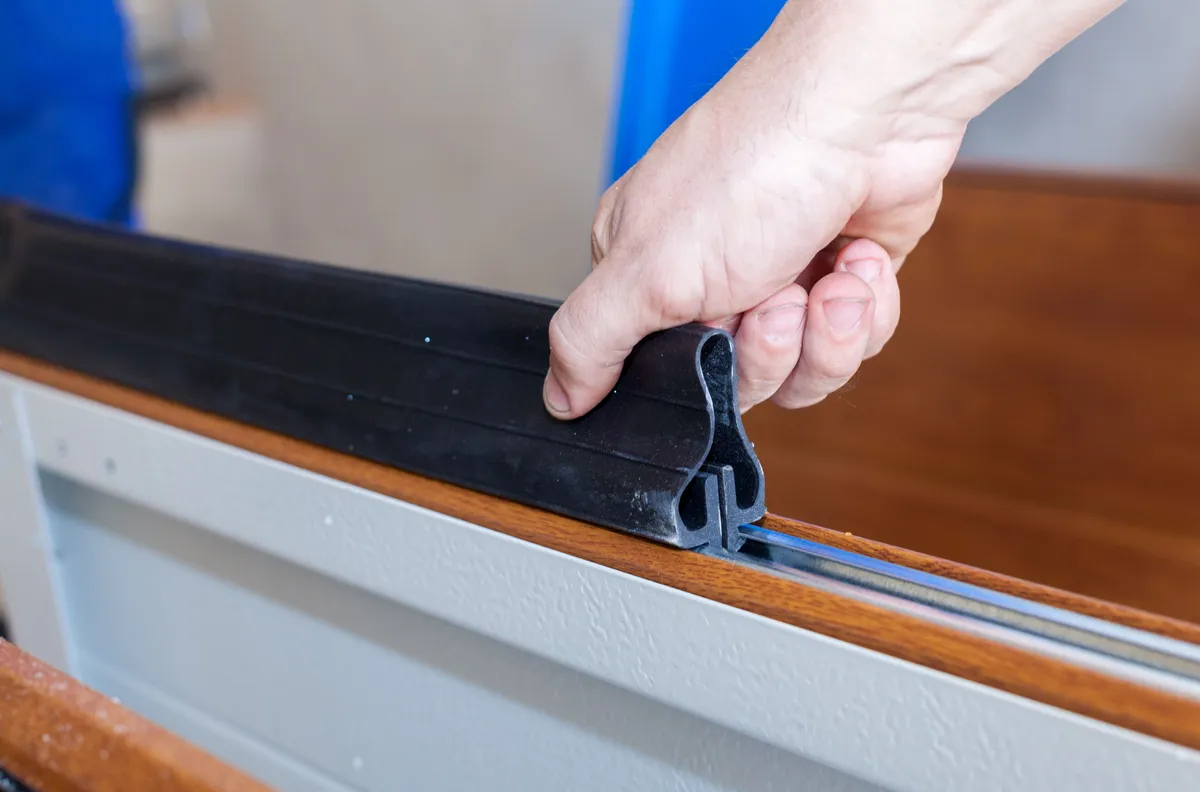
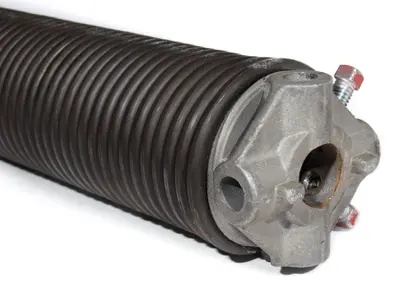
Material Options for Garage Insulation Upgrades You will often see insulation described by “R-value.” This measures resistance to heat flow (see the Energy Star Guide to Insulation). Polystyrene (Rigid Panels): This fits into door sections. It is common for garage insulation upgrades. Polyurethane (Injected Foam): This foam bonds to the door skin. Therefore, it is common in pro garage insulation. Cellulose Insulation: Note: People typically use cellulose insulation for original garage wall insulation, not the moving door. How Upgrades Affect Your Opener Important: Insulation adds weight. Therefore, if you add heavy panels to a light door, you change the physics. Door Balance: Springs lift a specific weight (check our spring replacement cost guide). A heavier door may not stay in place. This creates a safety risk. For more advice, read our garage door safety tips. Opener Strain: Your opener is not designed to lift dead weight. Consequently, if you see strain, consider smart opener upgrade options. You can also view our opener repair and upgrades. Finally, if the door is stuck, know what to do in emergencies. Managing Expectations: Comfort & Energy Garage insulation upgrades are worth considering. This is true if you use the garage as more than just parking. What to expect: Less extreme temperature swings. Additionally, a more usable space during peak seasons. Lower noise levels from the street. However, what NOT to expect: A massive drop in your hydro bill immediately. A “climate-controlled” room without heating. A fix for moisture caused by aluminum capping leaks. Frequently asked questions: Garage Insulation Upgrades Does insulation really help reduce my carbon footprint? Yes. It creates a better thermal boundary. As a result, you reduce the load on your home’s HVAC system. This helps the garage lower energy bills over time. Is it worth insulating a detached garage? For detached garages, it depends. If you heat the space for a detached workshop, then absolutely. However, if it is storage, air sealing is often more important. Can I use DIY kits? DIY kits exist. However, they often lack durability. Furthermore, poorly installed kits can trap moisture against the steel. Schedule an Assessment Do not guess with your home’s thermal envelope. If you want a clear recommendation on garage insulation upgrades, we can help. Derby Strong Garage Doors offers transparent payment options. We also provide honest assessments. We check your door, seals, and hardware. This ensures your energy-savings guarantee is based on reality. You can also schedule a door tune-up to keep everything running smoothly. Contact us today to schedule your insulation assessment.